Wasp invasions can be frustrating and alarming for homeowners in Auburn, Maine. Understanding why these pests are attracted to your backyard is crucial for effective management. In this article, we'll explore the reasons behind wasp invasions, how to identify them, and the best preventive measures you can take.
Wasps are social insects that can become a nuisance, especially during late summer and early fall. They are drawn to food sources and nesting sites, which can lead to an influx in your backyard. Maine Pest Pros specializes in Wasp & Hornet Control in Maine, providing effective solutions to keep your outdoor space safe.
Understanding Wasp Behavior
To effectively manage wasps, it's essential to understand their behavior. Wasps are generally more aggressive than bees and can sting multiple times. They are attracted to sweet foods, protein sources, and potential nesting sites. Understanding these aspects can help you identify why they are invading your space.
Wasps typically build their nests in sheltered areas such as:
- Under eaves
- In trees or shrubs
- Inside wall cavities
- On fences or outdoor furniture
Recognizing these nesting habits can help you take proactive steps to avoid attracting them.
Common Reasons for Wasp Invasions
Several factors can lead to wasps invading your Auburn backyard:
- Food Sources: Wasps are attracted to sugary substances, such as soda, fruit, and outdoor food. Leaving food uncovered can invite them.
- Nesting Sites: If your property has areas suitable for nesting, such as overhanging branches or sheltered corners, wasps may find a home there.
- Seasonal Changes: Late summer and early fall are peak times for wasp activity as they search for food before winter.
- Nearby Nests: If neighbors have wasp nests, they may migrate to your yard in search of food or new nesting sites.
Addressing these factors can significantly reduce the likelihood of wasp invasions.
Seasonal Factors Affecting Wasp Activity
The lifecycle of wasps influences their presence in your backyard. In Maine, wasp activity typically increases from late spring through early fall. During this time, wasps are busy foraging for food and expanding their colonies. As a result, you may notice more wasps buzzing around your yard.
Understanding the seasonal patterns of wasps can help you anticipate their presence. For instance, in Auburn:
- Spring: Queens emerge from hibernation and begin building nests.
- Summer: Colonies grow rapidly, leading to increased wasp activity.
- Fall: Wasps become more aggressive as food sources dwindle.
By recognizing these patterns, you can prepare your backyard accordingly.
Identifying Wasp Species
Not all wasps are the same. In Maine, common species include:
- Yellow Jackets: Recognizable by their black and yellow stripes, they are aggressive and often build nests in the ground.
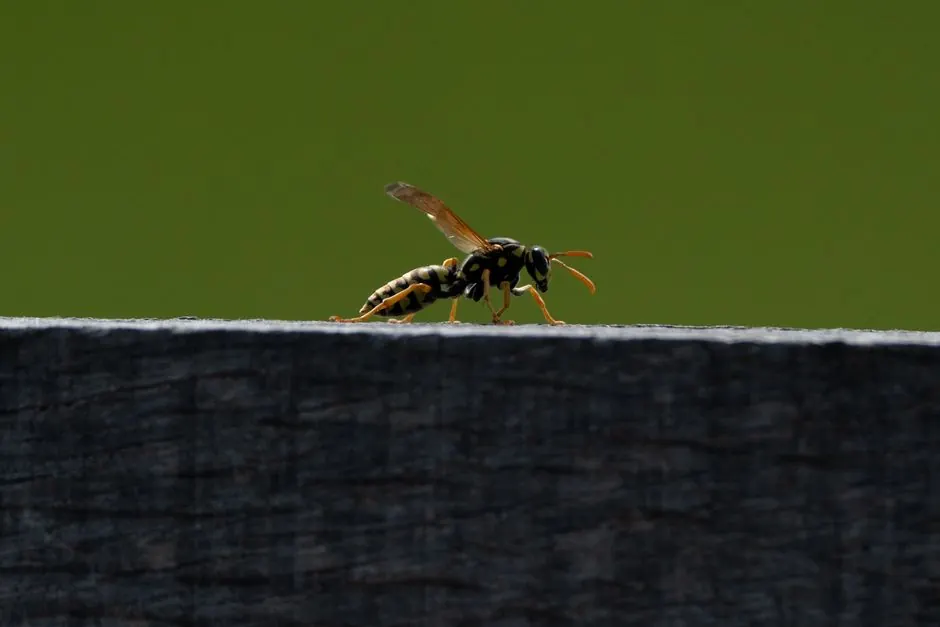
- Paper Wasps: These wasps have long legs and build umbrella-shaped nests, often found in sheltered areas.
- Bald-Faced Hornets: A type of yellow jacket, they have distinctive white markings and build large aerial nests.
Identifying the type of wasp can help you understand their behavior and how to manage them effectively.
Preventive Measures for Your Backyard
Implementing preventive measures can help keep wasps at bay:
- Seal Food Sources: Keep outdoor food covered and clean up spills immediately.
- Remove Attractants: Dispose of trash properly and keep compost bins sealed.
- Limit Nesting Sites: Regularly inspect your property for potential nesting areas and seal any openings.
- Use Wasp Traps: Setting up traps can help reduce the population around your home.
These proactive steps can make your backyard less appealing to wasps.
When to Call a Professional
If you encounter a significant wasp problem, it may be time to call in the experts. Maine Pest Pros offers comprehensive Wasp & Hornet Control services in Maine to safely remove nests and prevent future invasions. Our trained professionals understand the behavior of wasps and can provide effective solutions tailored to your needs.
Frequently Asked Questions
Why do wasps sting?
Wasps sting primarily in defense of their nests or when they feel threatened. Unlike bees, wasps can sting multiple times, making them more aggressive.
How can I tell if I have a wasp nest nearby?
Look for increased wasp activity around your home, especially near sheltered areas. You may also spot nests hanging from eaves or in trees.
Are wasps beneficial in any way?
Yes, wasps are natural predators of many garden pests, helping to control populations of insects like aphids and caterpillars.
What should I do if I get stung by a wasp?
Remove the stinger if it's still in your skin, wash the area with soap and water, and apply ice to reduce swelling. If you have an allergic reaction, seek medical attention immediately.
Can I prevent wasps from returning?
Implementing preventive measures such as sealing food sources and removing potential nesting sites can significantly reduce the chances of wasps returning to your backyard.
Get help with Pest Control in Auburn
If wasps are invading your backyard, don't wait for the problem to escalate. Contact us today at Maine Pest Pros for effective pest control solutions tailored to your needs. Call us at +18775466119 for a consultation.